


What is the primary necessity for the Commander of a newly forming entity, daring to become an Army? Experience as a soldier? Almost more importantly, when the bullets are flying, how will he react?
Have you ever heard of General Artemus Ward?
Unfortunately, this Harvard grad and battle-tried soldier has slipped through the cracks of history. The facts of his legislative prowess excelled above his military career. Even though he had been given the status of Major General and of course, Commander in Chief. Those are not by any means little feats; he definitely earned both sets of his given accolades.
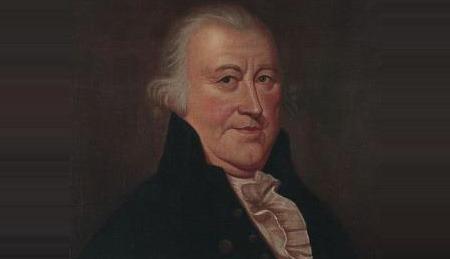
According to Harvard his name is spelled with an a, Artemas. However, David McCullough wrote a book in which he used the version Artemus. So Which name is legal, I may look into this further to find the answer. Although, it was common to have various letters that seemed to be changeable. Or it just mattered as to the person who was writing or talking about him at the given moment.
Living in Massachusetts, Ward dealt with royal officials probably every day. They legalized oppression by orders from the crown, but he took a stand against them. He was named Brigadier General, by the people, as much as by the leaders of the Patriotic Cause. The many positions and titles he held, brought him closer to his fellow countrymen and New Englanders.
In 1775, the new Commander in Chief was named by a group of assemblymen of Patriots, who met secretly for fear of prying British ears. Ward seemed the natural choice, he had already gained the trust and confidence of the men. However, his health was poor and would continue to get worse. A year later, those Continental Congressmen would appoint a more dynamic leader for the non-British regulars. Although these two Generals were on the same side they showcased opposite strengths.
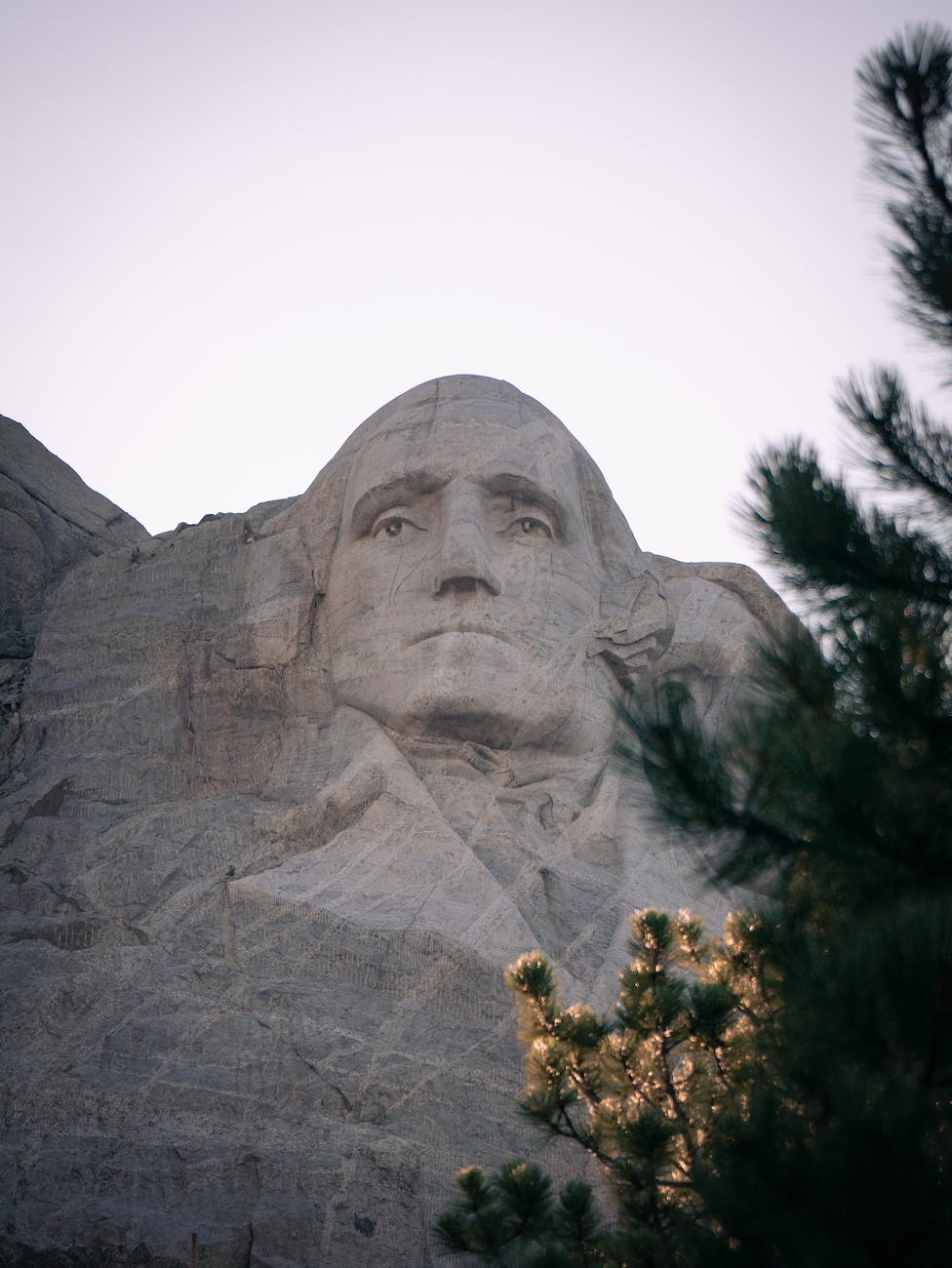
A trail of paperwork, shows Washington and Ward were not on the same wavelength. How do these two successful, experienced on the battlefield and in an assembly, passionate men not fully see eye to eye? So much in common and yet Washington perhaps had more military demeanor or rather was more disciplined than Ward.
Herein lies the facts and ultimately the truth. The difference was that Ward seemed more equipped to converse in the legislative and judicial assemblies. Washington, when he took command, was unsatisfied with the unkempt, disorderly troops that were now under his supervision. I believe he placed the blame on the troops haggard disorder, on Ward’s inability to effectively lead them. Disorder itself; was George Washington’s enemy on this front.
Perhaps in different circumstances they could have been closer colleagues. Although later, after ‘The Dorchester Heights’ battle of the wits, Washington gave Ward the triumphant entrance, out of a genuine curtesy.
Artemus came into this rebellion earlier in the 1770s due to circumstance. His Loyalist superior ousted him because of his Patriot mouth, which led him to be a leader in this rebellion. However, words alone do not make a rounded soldier or officer. An important requirement would be the man’s fortitude; his action in battle. He was so committed to the Cause that his health was put on the back burner. His pain was noticeable enough that others mentioned it. Illnesses cannot always be concealed, yet he persevered until he could not. This is a man with a lot of moxie.
George Washington definitely had that moxie as well. This Virginian had experience being a soldier, but not necessarily at leading troops. The Continental Congress knew this and still appointed him as Commander in Chief. They saw in him, that willing Patriotic fervor, that they themselves had. The difference was they worked with their words and he put those orders to action.
These two American men were legends in their own right. Ward became the first Commander of the Colonial Army, rag-tag as it was, and was where he was meant to be for the time. One man without the other would have unbalanced the stability of the Army. Together in succession, they built the hap-hazard colonial troops into the Army that defeated the World Power of the day.
The skills and talents of these men are the forces that brought the Army together. Their morals including God, Duty, and Family, resound in their words and deeds. Do you have that same moxie… that love…for our Country?
 Jewells of Thought
Leave a comment